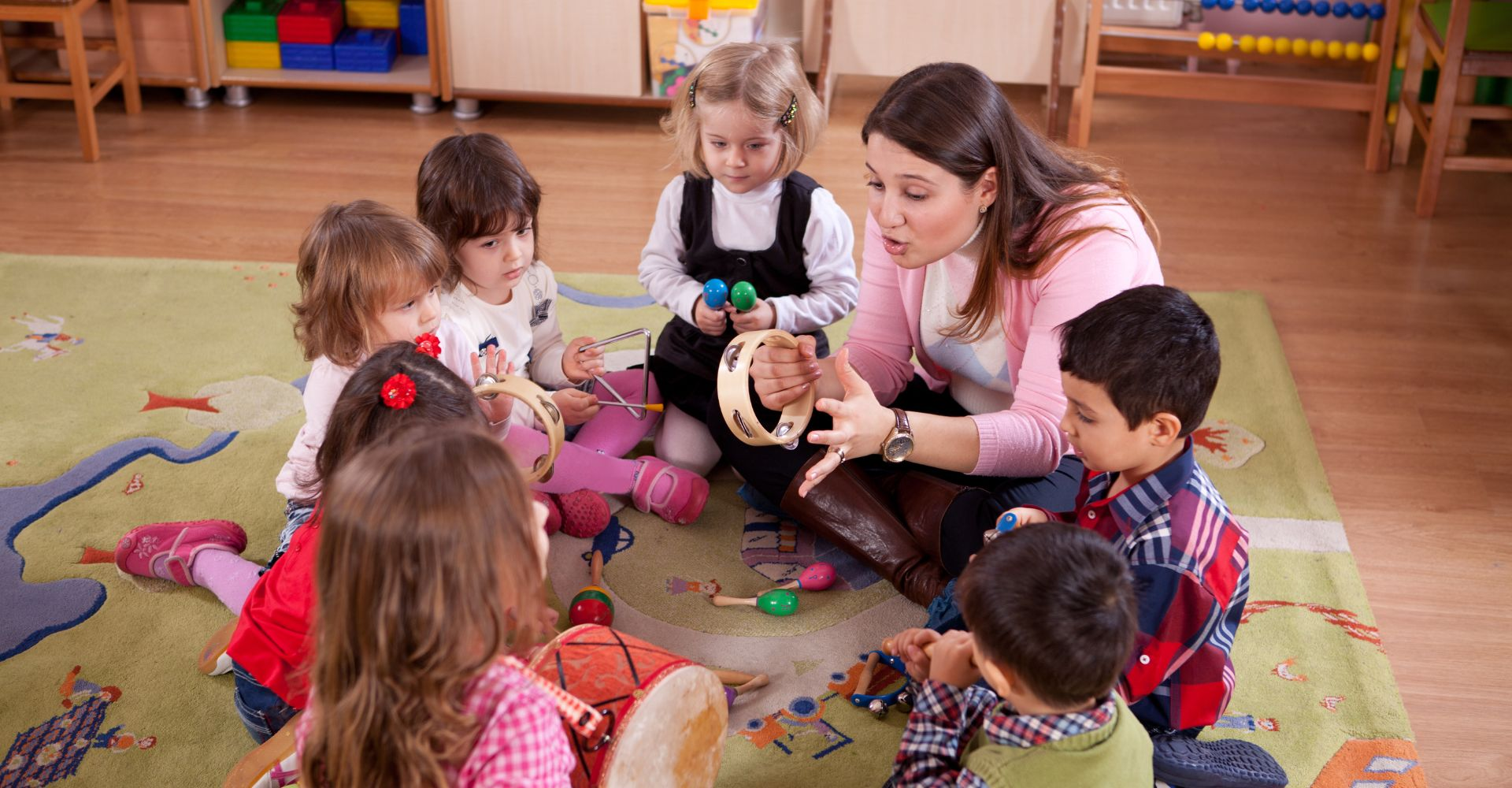
Parents continue exploring structured educational options designed to prepare young children for the transition into formal elementary schooling. Understanding how these specialized programs support this preparation helps families appreciate their genuine developmental value. Exploring these benefits helps illustrate why this particular educational stage continues attracting strong family interest. Seeking recommendations from trusted sources can help narrow down choices and reduce uncertainty considerably.
Why the Transition to Formal Schooling Benefits From Preparation
The transition from early childhood care into formal elementary education represents a significant adjustment that structured preparation can meaningfully support. Children entering this transition without adequate preparation sometimes struggle more with the structured expectations formal schooling involves. Understanding this connection helps parents appreciate why transitional preparation deserves genuine consideration during early childhood planning. Recognizing this importance supports more informed decisions about preparing children for formal educational environments. Clear communication throughout any process helps ensure expectations remain aligned from start to finish.
The Preparatory Value of a Quality Pre-K Facility
Enrolling a child in a quality pre-k facility provides structured preparation specifically designed to build the foundational skills formal schooling will require. This targeted preparation helps children develop early literacy, numeracy, and classroom behavior skills before entering kindergarten. Many parents appreciate how this specific educational stage bridges the gap between earlier childcare and more structured elementary schooling. These combined benefits explain why this particular educational option continues attracting strong family interest during this transitional period.
Understanding How Structured Preparation Builds Confidence
Children who experience structured preparation typically approach kindergarten with greater confidence and familiarity with classroom routines and expectations. This confidence often translates into a smoother overall transition and reduced anxiety during this significant life change. Understanding this confidence benefit helps parents appreciate the value structured preparation provides beyond simple academic skill-building. This confidence support significantly benefits children navigating this important educational milestone. Reviewing progress periodically helps catch small issues before they grow into larger, costlier problems.
How Early Skill Development Supports Long-Term Academic Success
Foundational skills developed during this preparatory stage often continue benefiting children throughout their broader elementary school experience. This early investment in foundational learning helps establish patterns and confidence that support continued academic success. Understanding this long-term connection helps parents appreciate the lasting value this particular educational stage provides. This foundational preparation significantly supports children’s confidence and success throughout their ongoing educational journey.
Choosing a Program That Supports a Successful Transition
Researching program curriculum and overall approach helps parents select an option genuinely suited to preparing their child for the transition ahead. Visiting potential programs helps parents gain firsthand insight into daily routines and overall preparatory focus. Considering practical factors alongside educational approach helps ensure a sustainable, workable choice for the family. This thoughtful selection process helps parents feel confident in supporting their child’s successful transition. Investing a little extra time upfront often saves considerable time, money, and frustration later on.
Conclusion
Structured preparation continues providing meaningful support for children navigating the transition into formal elementary education. Understanding available confidence and academic benefits helps parents appreciate the genuine value this educational stage provides. With thoughtful program selection, families can support their child’s successful, confident transition into formal schooling. Balancing short-term convenience against long-term value remains an important part of almost any major decision.