Starting formal school is one of the most significant transitions in a young child’s life. The move into a structured learning environment introduces new expectations, relationships, and experiences that can be both exciting and challenging. Choosing the right programme and preparing your child thoughtfully can make this transition smoother and set a positive tone for their entire educational journey.
Academic and Social Balance
Quality early childhood education does not sacrifice social and emotional development for academic content. The most effective kindergarten programmes integrate literacy and numeracy goals with ongoing attention to emotional regulation, peer relationship skills, and self-directed learning. Children who develop these capacities alongside academic skills enter the next phase of schooling better prepared across every dimension.
Be cautious of programmes that focus heavily on rote learning and testing at this age. Developmental research consistently shows that play-based and inquiry-driven learning produces better long-term outcomes in both academic performance and attitude toward school than approaches that prioritize narrow academic drilling before children are developmentally ready.
Classroom Environment and Teacher Quality
Visit potential programmes during active class time rather than only during scheduled tours. Observe how teachers respond to challenging behaviour, how they facilitate transitions between activities, and how engaged children appear. Teacher qualification, experience, and communication style have a larger impact on outcomes than facilities or programme branding.
Ask about staff turnover. High turnover at an early childhood setting is a red flag that signals management issues and has direct consequences for children, as continuity of relationship with trusted adults is foundational to healthy early development.
Preparing Your Child at Home
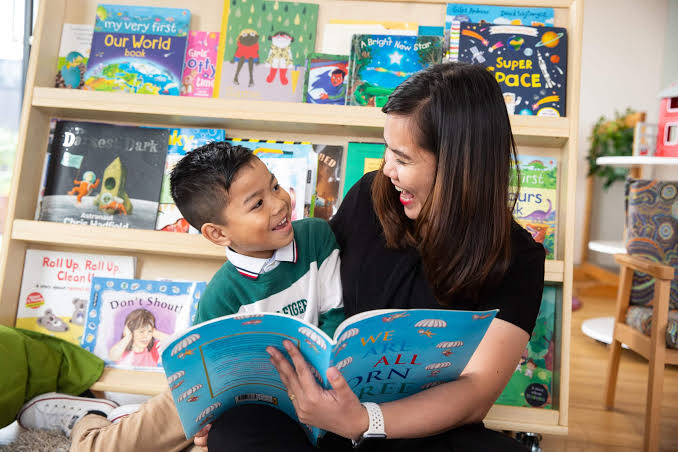
Practical preparations make a meaningful difference. Reading together regularly builds vocabulary and comprehension skills. Practising self-care tasks like putting on and removing shoes, opening food packaging, and managing personal belongings builds independence. Talking positively about the upcoming transition and addressing any anxieties with honesty and calm reassurance helps children approach it with confidence rather than dread.
Playing with other children in unstructured settings before school begins builds the social experience that helps with classroom adjustment. If your child has had limited peer interaction, arranging regular playdates in the months before the school year starts is time well invested.
Building Routines That Support School Readiness
Establishing consistent daily routines before kindergarten begins helps children adjust more easily to the structure of a school day. Simple habits such as regular sleep and wake times, set meal schedules, and predictable morning routines give children a sense of stability and reduce anxiety when new expectations are introduced.
When children know what to expect each day, they are more likely to feel secure and cooperative in new environments. It is also helpful to gradually align home routines with school-like schedules. For example, setting aside focused periods for quiet play, reading, or creative activities can help children build attention span and learn to transition between tasks.
Supporting Emotional Confidence and Independence
Emotional readiness is just as important as academic preparation when starting kindergarten. Children who feel confident in expressing their needs, managing small frustrations, and separating from caregivers tend to adapt more smoothly to the school environment. Encouraging your child to make simple choices, solve minor problems independently, and talk about their feelings helps build this emotional resilience over time.
At the same time, practicing short separations from parents or guardians can make the first days of school less stressful. Leaving your child with trusted family members or in short supervised activities helps them learn that separation is temporary and safe.